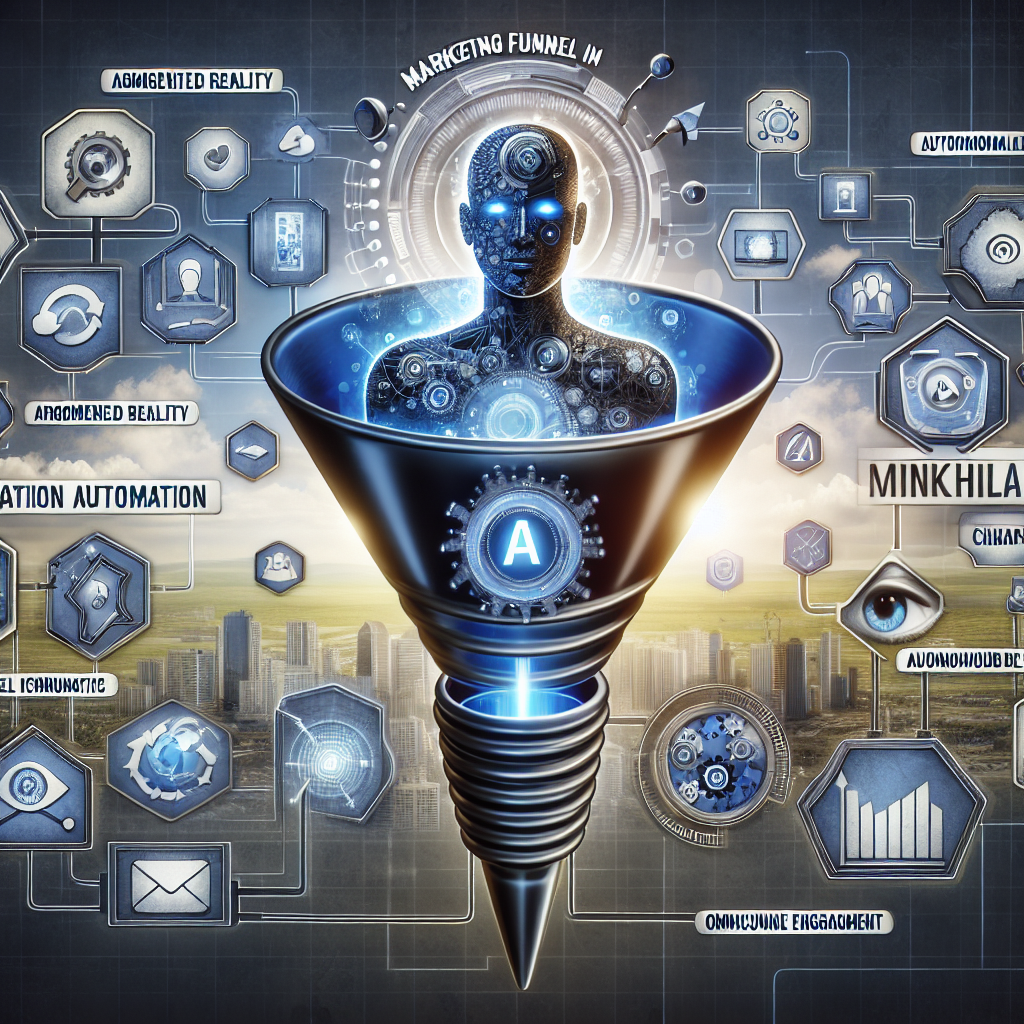
As we gaze into the future of marketing, the role of the marketing funnel continues to evolve, stepping up to the demands of an increasingly digital and dynamic marketplace. In 2025, the marketing funnel is more than just a tool; it’s a strategic blueprint that guides potential customers seamlessly through their journey from awareness to purchase and beyond. This blog post will delve into the nuances of the marketing funnel 2025, exploring cutting-edge strategies, tools, and examples that define how businesses can convert leads into loyal customers.
Understanding the Modern Marketing Funnel
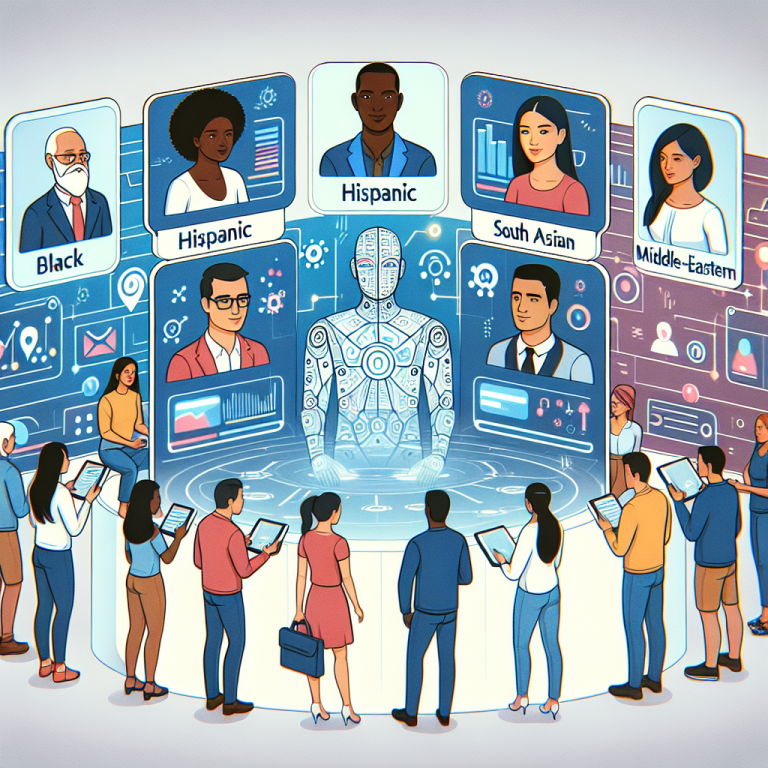
The traditional funnel with its distinct stages of awareness, interest, consideration, and decision is evolving into a more nuanced, interactive, and personalized journey. The sales funnel strategy in 2025 is driven by data, powered by AI, and focused on creating exceptional user experiences that adapt to the unique needs and behaviors of each prospect.
In 2025, seamless integration across multiple channels is a must. Consumers demand cohesive experiences, fluidly transitioning from smartphones to desktops, from social media platforms to email, without skipping a beat. Marketing strategies must be holistic, linking every touchpoint to ensure prospects receive personalized messaging that resonates with their specific needs.
Key Components of a 2025 Sales Funnel Strategy
1. Deep Personalization: The modern consumer expects experiences tailored to their preferences. By using advanced analytics and AI, businesses can personalize content, offers, and interactions at each funnel stage.
2. AI-Powered Insights: AI not only tracks customer behavior but predicts future actions, enabling businesses to anticipate needs and deliver timely content. Machine learning algorithms analyze patterns to optimize conversion rates efficiently.
3. Omnichannel Approach: To capture and nurture leads effectively, a unified, omni-channel strategy ensures that consumers can move seamlessly between platforms, receiving consistent and coherent messaging throughout.
4. Interactive Content: Gone are the days of static content. Leveraging interactive content such as quizzes, polls, and experiences captivates the audience, encouraging deeper engagement and valuable customer insights.
Tools for Optimizing Marketing Funnels in 2025
To efficiently run a 2025-ready marketing funnel, leveraging state-of-the-art tools is essential. These tools help enhance efficiency, engagement, and conversion rates.
1. AI Chatbots: With advanced natural language processing, AI chatbots provide instantaneous, personalized interactions, guiding potential clients through the funnel with real-time support and suggestions.
2. CRM Systems with Predictive Analytics: Modern CRM systems are infused with predictive analytics, helping businesses to forecast customer journeys, segment audiences more effectively, and tailor messaging for different stages of the funnel.
3. Marketing Automation Platforms: Automation tools help streamline marketing processes, ensuring every lead receives consistent communication customized to their stage in the funnel, thereby improving engagement and conversion rates.
4. Social Listening Technologies: Understanding brand perception and customer sentiment allows businesses to tailor strategies that align with consumer expectations and funnel interventions accordingly.
5. AR/VR Experiences: Augmented reality and virtual reality are becoming pivotal in providing experiential funnels. Immersive experiences are not only capturing attention but also elevating the decision-making process for customers.
Examples of Successful 2025 Marketing Funnels
Example 1: Retail Sector Funnel – A leading online retailer uses a synergy of AI-driven CRM and marketing automation to personalize users’ shopping experiences. The user journey begins with an AI chatbot that understands preferences, followed by personalized product recommendations via email and social channels, reaching a decision stage enriched by virtual try-on AR technology.
Example 2: SaaS Product Funnel – For a SaaS provider, predictive analytics and personalized top-of-funnel content ensure leads are highly qualified before they enter the consideration stage. Interactive demos with VR experiences allow users to fully grasp product benefits leading to an informed purchasing decision and continued value-driven relationships.
These examples showcase how an integrated approach using modern tools and strategies can significantly enhance the marketing funnel’s effectiveness in 2025, leading to higher conversion rates and customer satisfaction.
Optimizing Your Marketing Funnel for 2025
To stay ahead in 2025, businesses must continuously reassess their lead generation tactics, integrating new technologies and methodologies to create a funnel that is not only functional but also agile and responsive to evolving consumer expectations.
Whether you’re investing in AI technologies, enhancing personalization strategies, or constructing immersive content experiences, remember that the core objective remains the same: nurturing prospects and converting them seamlessly into loyal customers.
By understanding and applying these strategies and tools, your marketing funnel in 2025 can be an efficient powerhouse, guiding leads with precision and care from their first interaction to their final purchase, and beyond.
Ready to grow your brand or project? Discover what we can do for you at https://lucenpress.com.